Custom Manga Printing Manufacturer
Clean Linework, Balanced Grays and Books Built for Long-Form Reading
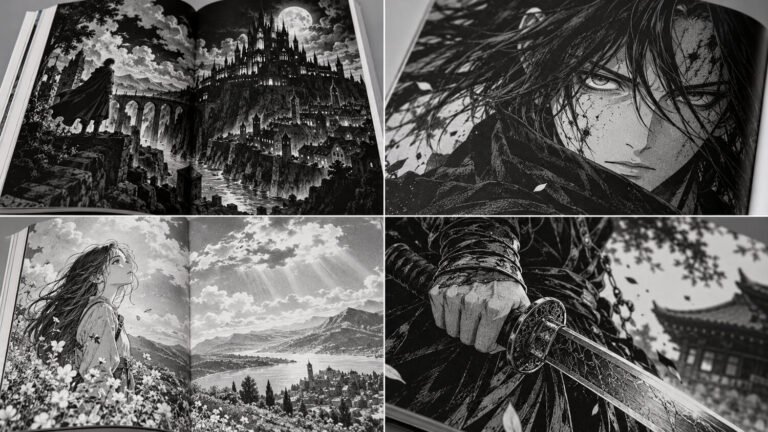
Manga printing depends heavily on detail.
Fine ink lines, screentones, grayscale artwork, large black areas and high page counts all need to work together in the finished book.
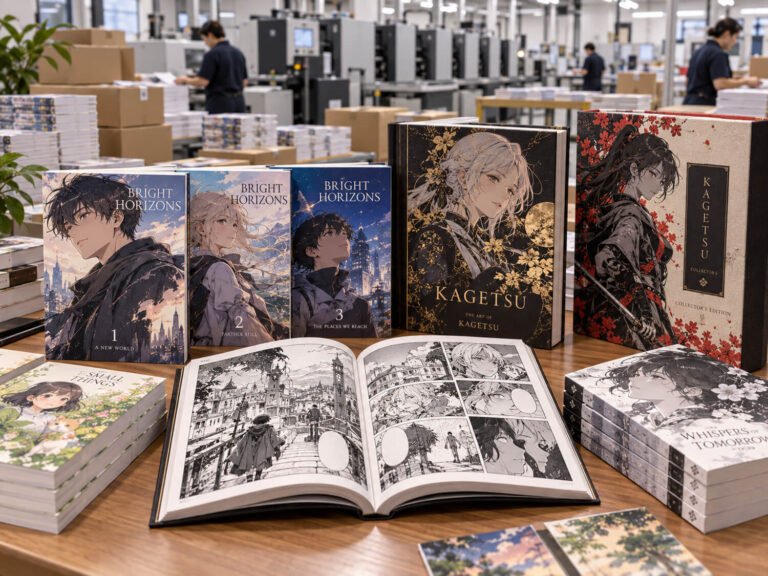
We provide custom manga printing for publishers, independent creators, studios, entertainment companies and distributors. Projects can be produced in black-and-white, grayscale or full color, with paper, binding and trim size selected around the artwork, page count and intended market.
Whether you are printing a single volume, building a long-running series or preparing a premium edition, we can help turn print-ready files into professionally manufactured manga books.
Manga Books We Print

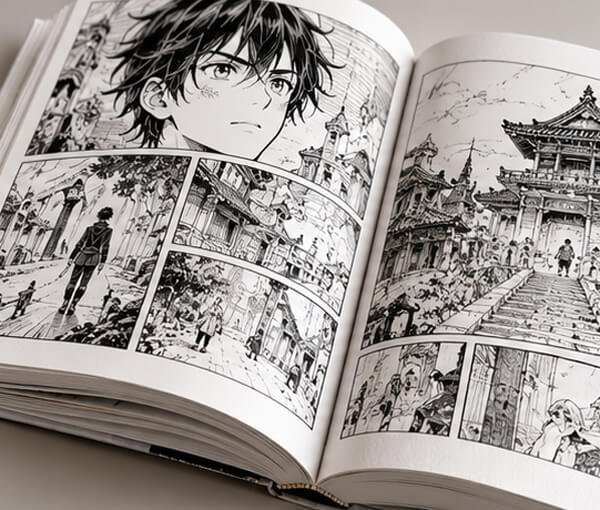
Black-and-White Manga
A common format for long-form manga where fine linework, black density and grayscale control are especially important.
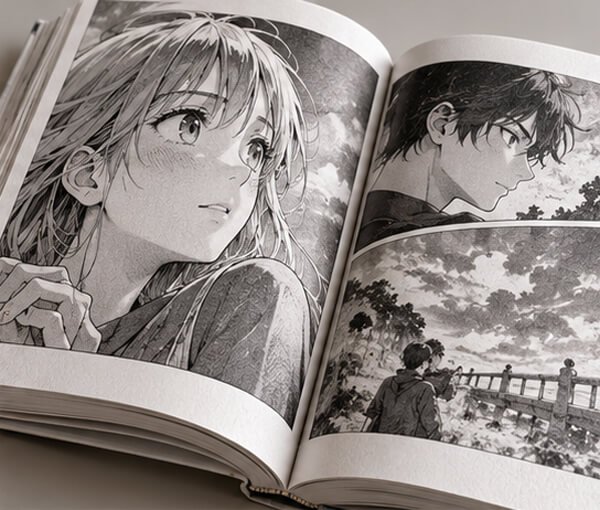
Grayscale Manga
Suitable for artwork using screentones, soft shading, gradients and more complex tonal transitions.
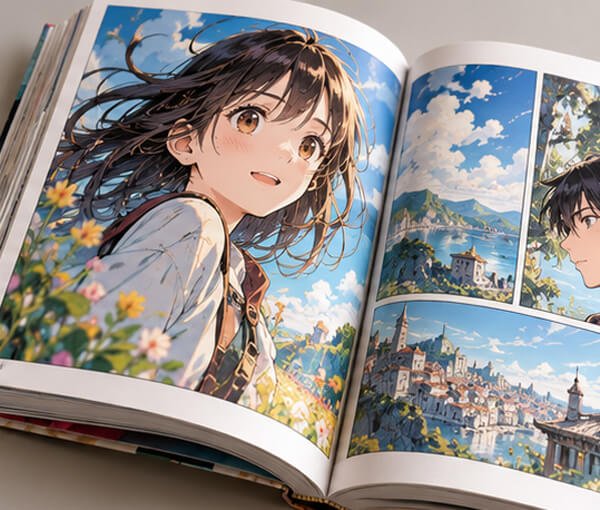
Full-Color Manga
Designed for projects where character color, backgrounds and visual atmosphere are central to the reading experience.
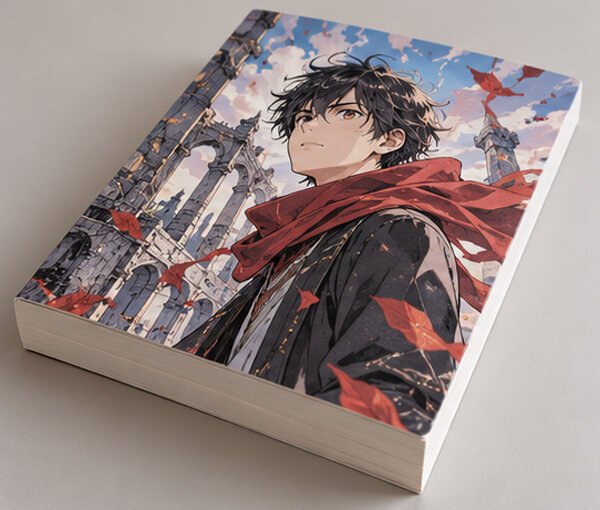
Paperback Manga
A practical retail format for series publishing, independent releases and larger production runs.
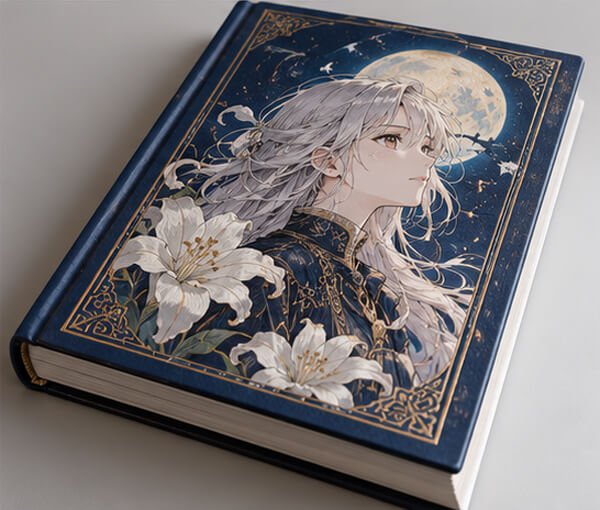
Hardcover Manga
A stronger, more premium structure for special editions, collector releases and higher-value publishing projects.
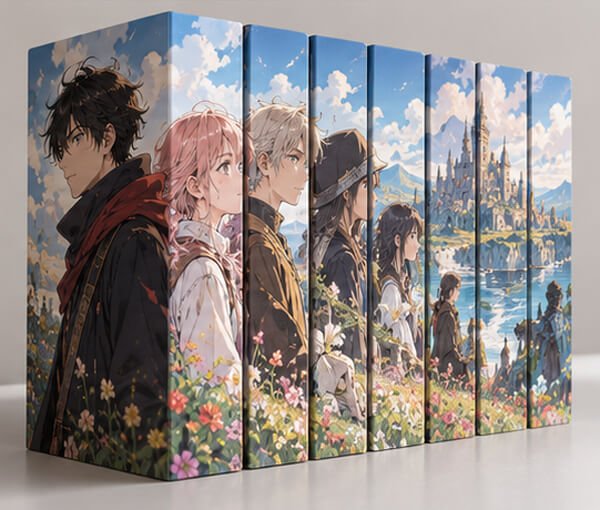
Manga Series
Maintain consistent size, paper, spine, cover color and finishing across multiple volumes.
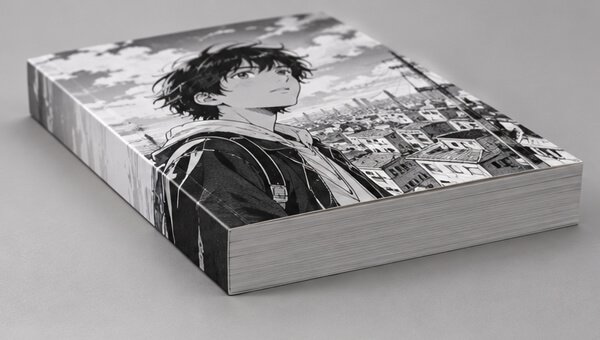
Customize Every Detail of Your Book
Your book can be produced according to your own specifications rather than being limited to standard formats.
Custom Sizes and Page Formats
Cookbooks do not need to follow one standard size.
Common options include:
- A4
- A5
- 8.5″ × 11″
- Square formats
- Landscape formats
- Custom trim sizes
Larger pages give users more room for detailed artwork, while compact formats can be easier to carry, ship and distribute.
Margins should also be planned carefully so that important line art does not sit too close to the binding edge.
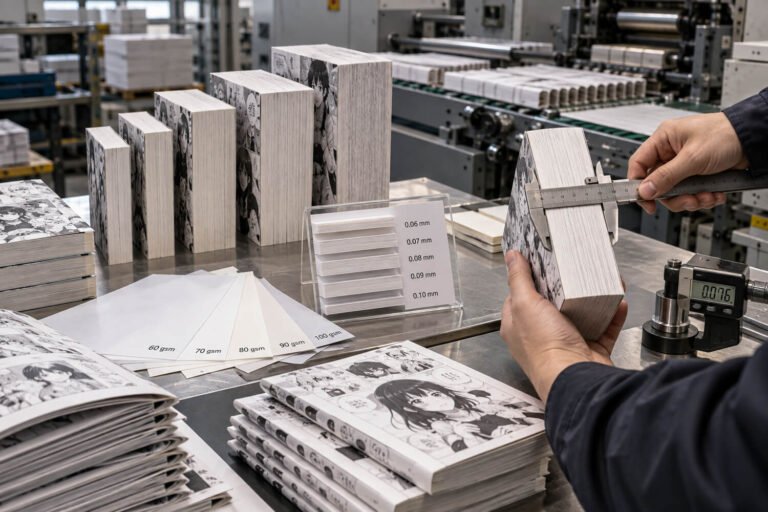
Paper Options for Manga Printing
Lightweight Uncoated Paper
A practical choice for longer manga volumes where lower book weight and a traditional reading feel are important.
Opaque Book Paper
Helps reduce show-through while keeping high-page-count books manageable.
Smooth Uncoated Paper
Provides a cleaner surface for detailed black-and-white and grayscale artwork.
Coated Paper
Can be considered for full-color manga, special sections or premium editions where stronger color reproduction is required.
Paper selection should consider:
Opacity + Page Count + Artwork + Book Thickness + Binding + Target Price
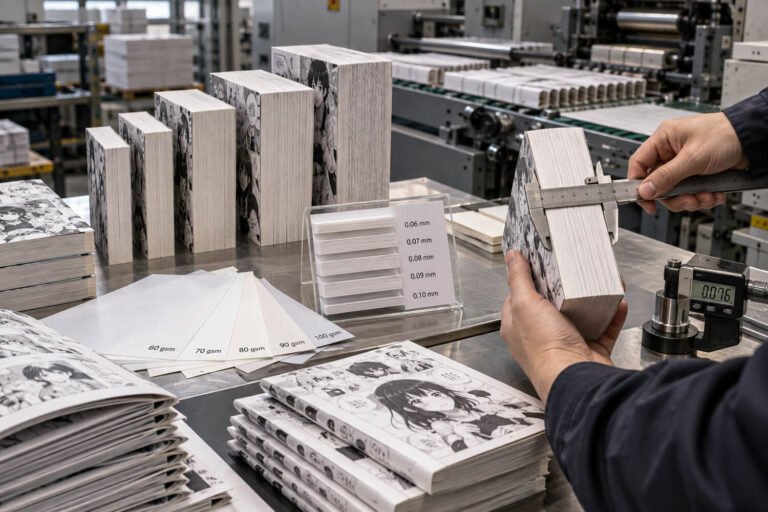
For long manga volumes, paper caliper is just as important as paper weight.
Binding Options for Manga Printing
The right binding depends on page count, paper thickness, trim size and market positioning.

Perfect Binding
A common choice for paperback manga with a clean spine and efficient retail format.
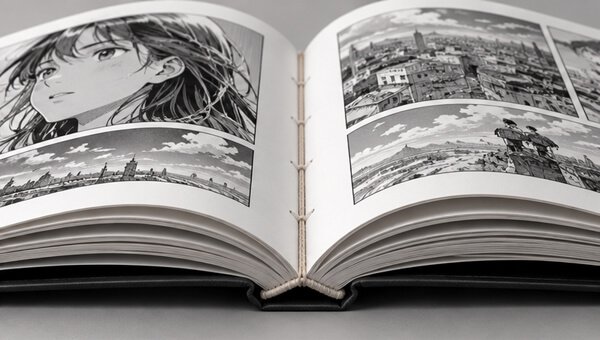
Sewn Binding
Provides added page security and can be useful for thicker or higher-value editions.
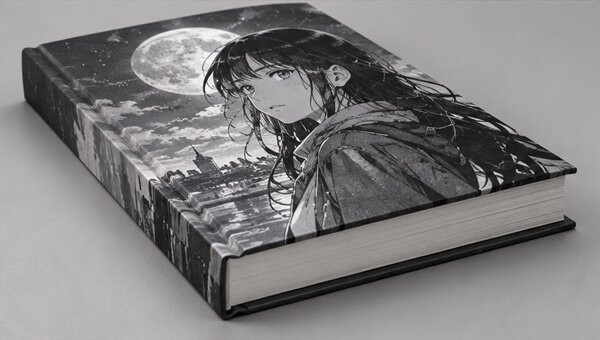
Hardcover Binding
Suitable for collector editions, special releases and premium manga books.
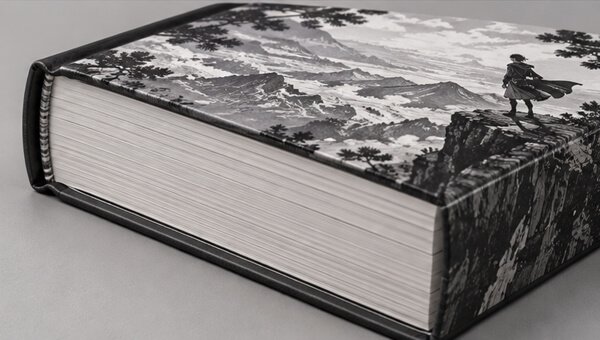
Sewn Hardcover Binding
Combines sewn sections with rigid case binding for more substantial editions.
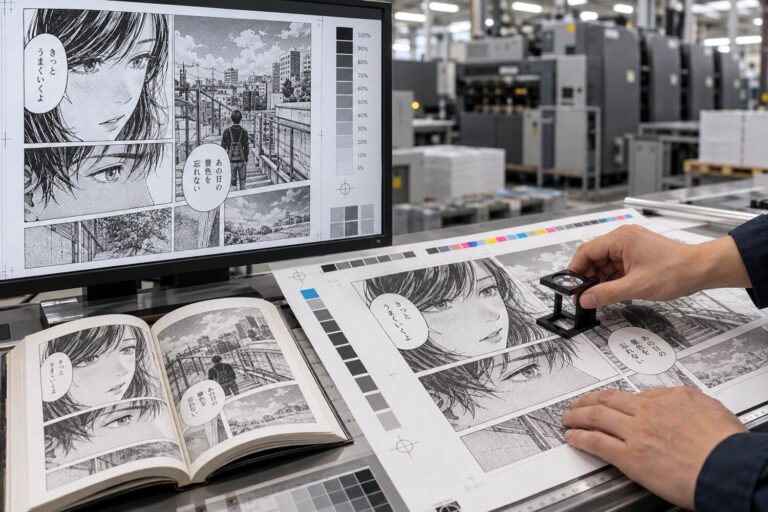
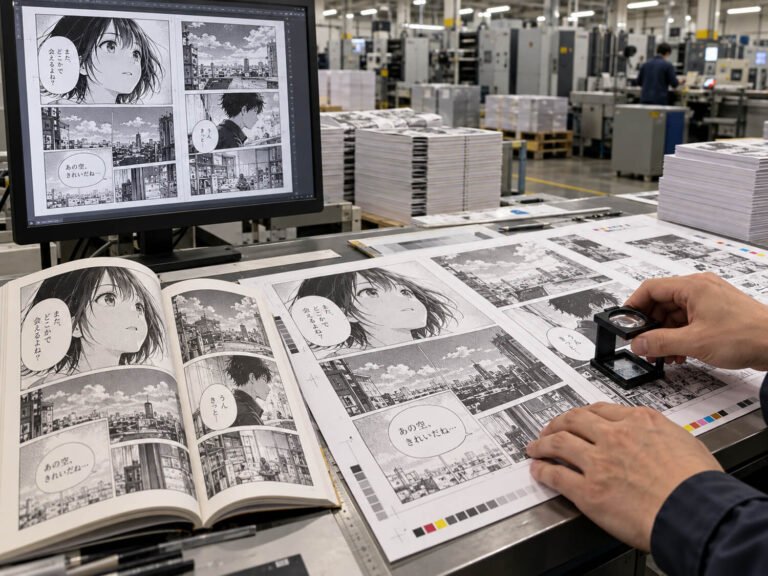
Fine Linework and Screentones Need Careful Printing
Manga artwork often contains much finer detail than it first appears.
Typical elements may include:
- Thin ink lines
- Dense cross-hatching
- Screentones
- Halftone patterns
- Soft grayscale
- Large black areas
- Small speech text
- Fine background details
If these elements are not reproduced correctly, fine lines can fill in, black areas may lose detail, or screen patterns can appear uneven.
Before production, files can be reviewed for resolution, black settings, grayscale balance and fine-pattern reproduction.
A physical proof is especially useful for artwork containing dense screentones or subtle gray values.
Control Blacks Without Losing Detail
Deep black areas are common in manga, but darker does not always mean better.
Large black fills, hair, clothing, night scenes and dramatic shadows need enough density to look strong while still preserving nearby detail.
Production should balance:
- Solid black density
- Shadow separation
- Fine line visibility
- Grayscale transitions
- Screentone clarity
- Text readability
The goal is to keep dramatic contrast without allowing dark areas to become muddy or visually flat.
High Page Counts Need the Right Book Structure
Manga volumes often contain many pages in a relatively compact format.
That means paper thickness, spine width and binding strength need to be considered together.
Important factors include:
- Total page count
- Paper caliper
- Finished spine width
- Book weight
- Gutter allowance
- Opening behavior
- Cover thickness
- Trim size
Using unnecessarily thick paper can make a high-page-count manga feel bulky and difficult to handle.
A practical structure should keep the book comfortable to read while maintaining enough opacity and durability.
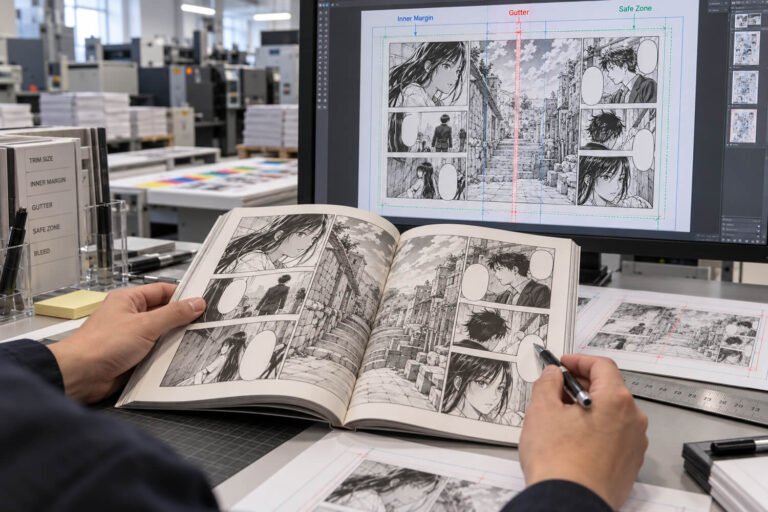
Plan the Gutter Before Finalizing Artwork
The center gutter can affect panel borders, dialogue and artwork close to the binding.
Before printing, check:
- Inner margins
- Speech balloons
- Character faces
- Panel borders
- Full-bleed artwork
- Double-page illustrations
- Page numbering
- Chapter openings
Important visual information should not sit too close to the center fold.
For artwork that frequently crosses two pages, the binding structure and gutter allowance should be reviewed before the final files are locked.
Right-to-Left or Left-to-Right Reading
Manga books may be prepared for different reading directions depending on the publisher and target market.
Before production, the reading direction should be confirmed so that:
- Page order is correct
- Cover orientation is correct
- Front and back covers are positioned properly
- Spine direction is correct
- Chapter openings appear in the intended sequence
This is especially important for translated editions and books adapted for different markets.
Covers, Jackets and Manga-Specific Details
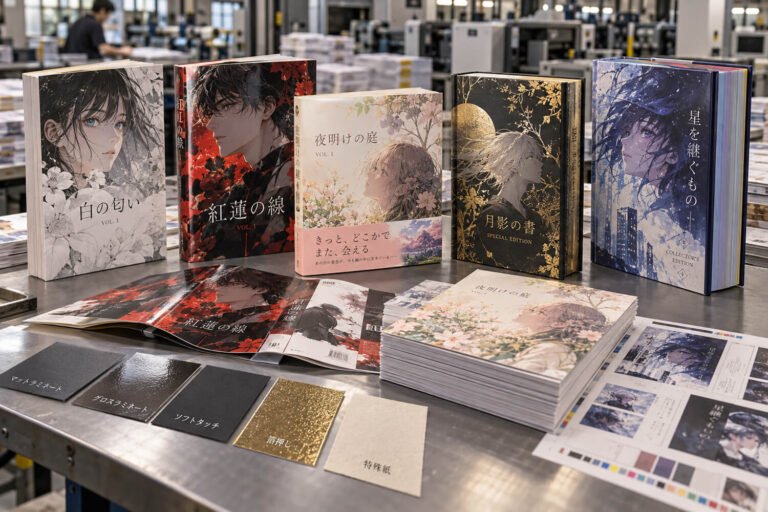
Manga covers often use more than a standard printed cover.
Depending on the edition, options may include:
- Matte lamination
- Gloss lamination
- Soft-touch lamination
- Spot UV
- Foil stamping
- Embossing
- Debossing
- Dust jackets
- Wraparound bands
- Specialty paper
- Printed or colored edges
- Custom endpapers
Dust jackets and wraparound promotional bands can add another layer of design while keeping the main book cover visually clean.
For premium editions, cloth, foil or slipcases can also be considered.
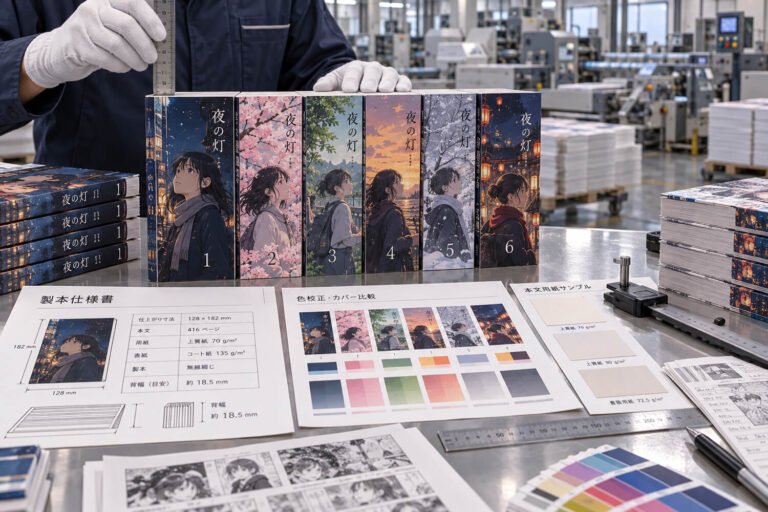
Keep Every Volume Consistent
Series consistency is especially important in manga publishing.
Readers often display multiple volumes together, so even small differences can become noticeable.
Production specifications can be standardized around:
- Trim size
- Paper
- Spine width
- Cover board
- Lamination
- Color targets
- Binding
- Spine artwork
- Volume numbering
- Packing
Keeping production records for recurring series can help reduce visible differences between later volumes and reprints.
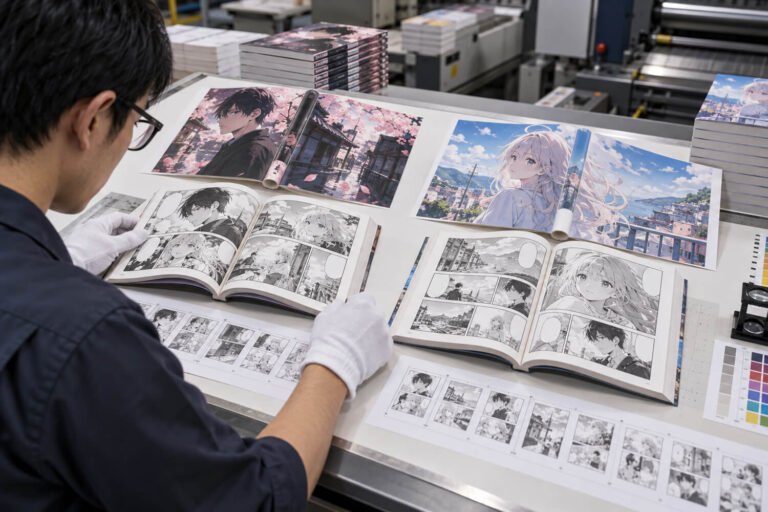
Proof Before Mass Production
Proofing can help confirm both artwork reproduction and physical construction.
A proof can be used to evaluate:
- Fine line clarity
- Screentone reproduction
- Grayscale balance
- Solid black density
- Small text
- Paper opacity
- Gutter behavior
- Spine width
- Cover finish
- Overall book feel
For long manga volumes, catching a problem before the full run is particularly valuable because the same issue may repeat across many pages.
Finish Options
Choose a binding method based on the page count, intended use, appearance and price target.

Matte Lamination
Smooth, non-reflective finish that reduces glare and gives book covers a refined, elegant appearance.
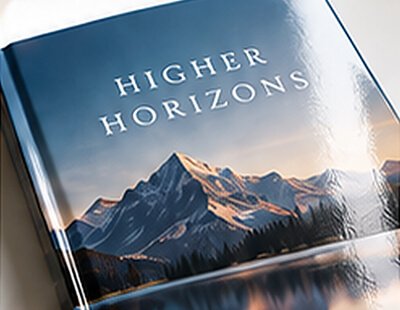
Gloss Lamination
Shiny protective coating that enhances color vibrancy and creates a bright, eye-catching surface.

Soft Touch Lamination
Velvety finish with a luxurious feel, adding premium texture and a modern upscale look.
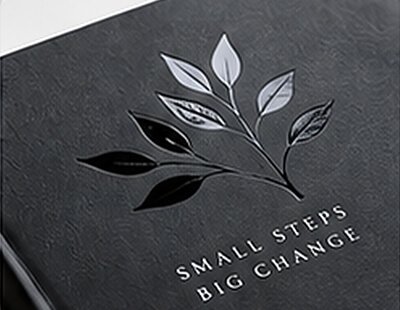
Spot UV
Glossy raised highlight applied to selected areas for contrast, depth and visual emphasis.

Foil Stamping
Metallic foil accents in gold, silver or colors for a premium and striking cover detail.
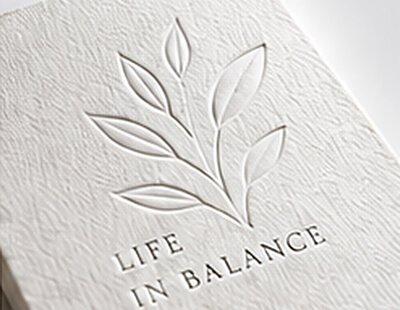
Embossing
Raised design effect that adds dimension, tactile interest and a more distinctive presentation.

Debossing
Pressed-in design detail creating subtle depth and a sophisticated, understated tactile finish.

Die Cutting
Custom cut-out shapes or windows that create unique visual interest and packaging creativity.

Rounded Corners
Smooth curved corners that improve handling and give books a softer finished appearance.

Cloth Cover
Textile-wrapped hardcover option offering classic texture, durability and a premium traditional style.

Leather-Look Cover
Elegant synthetic leather appearance that gives books a durable, high-end executive feel.
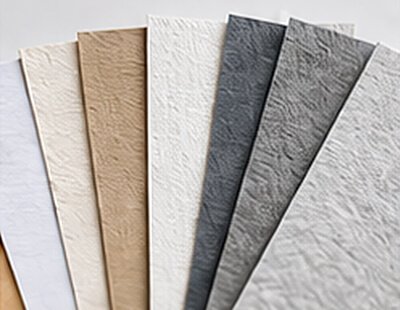
Special Paper
Distinctive paper choices with unique textures, tones or finishes to elevate presentation.
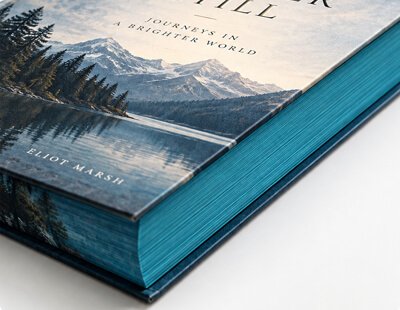
Printed or Colored Edges
Colored or printed page edges add decorative detail and make books more memorable.
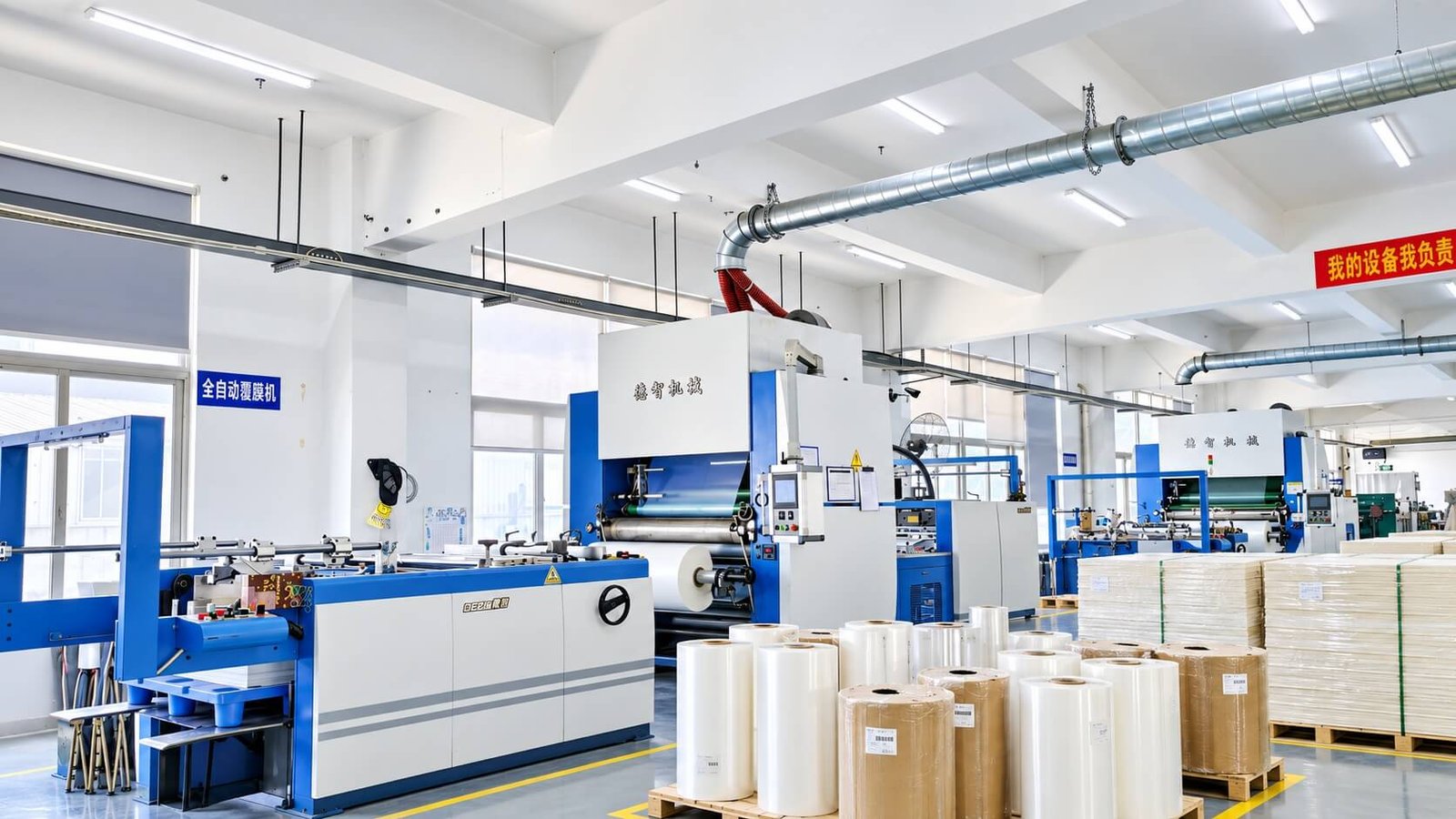
Quality Assurance
Certified Quality & Responsible Production
Manga books often contain many pages and repeat fine details throughout the entire volume, making production consistency especially important.
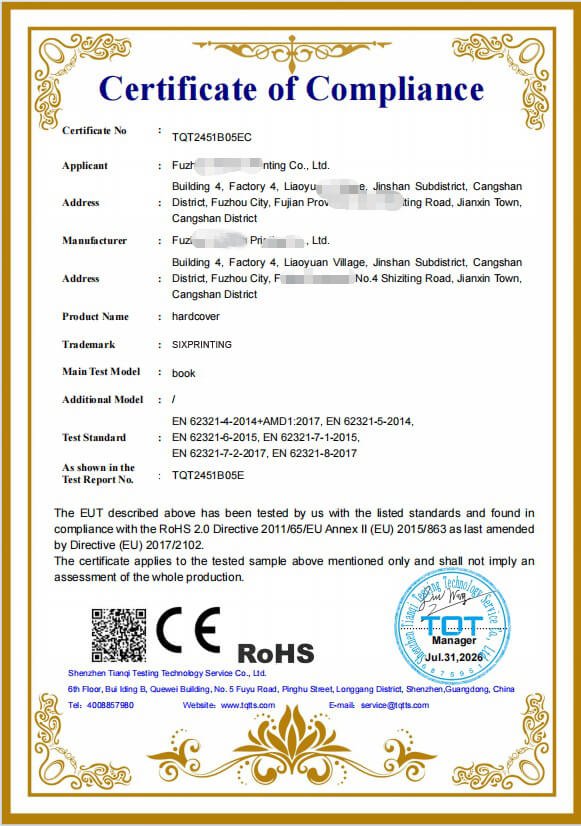
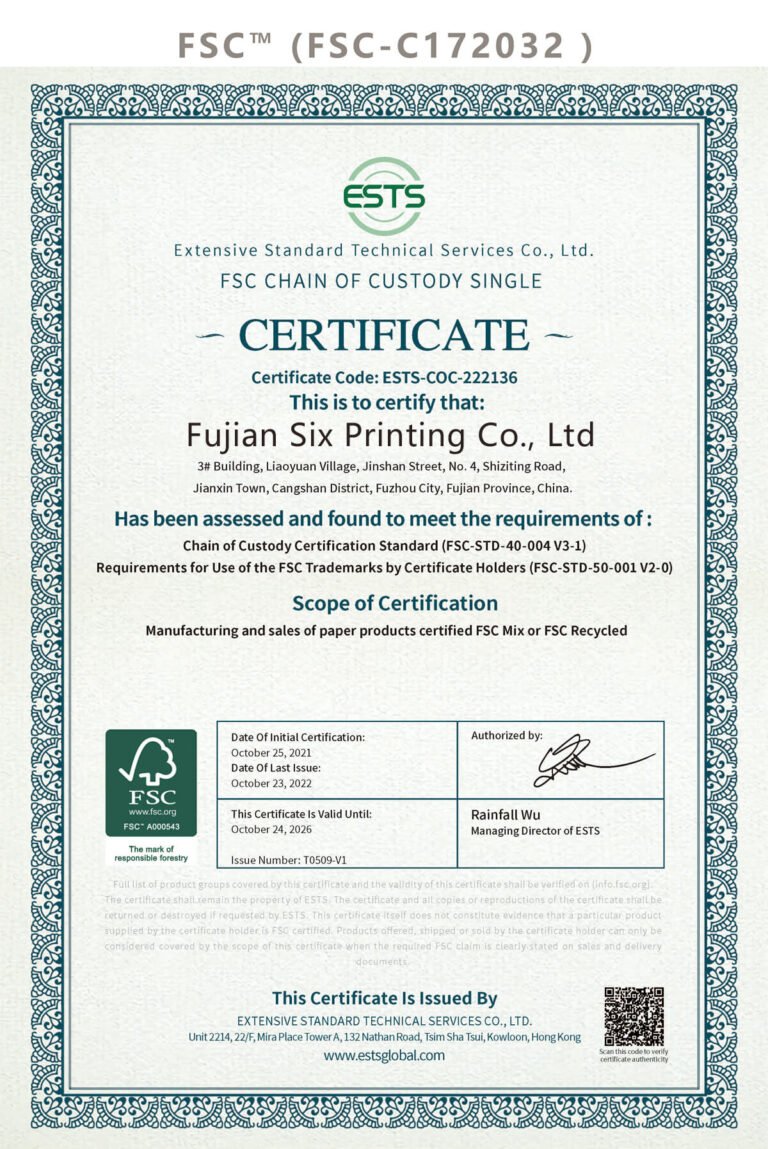
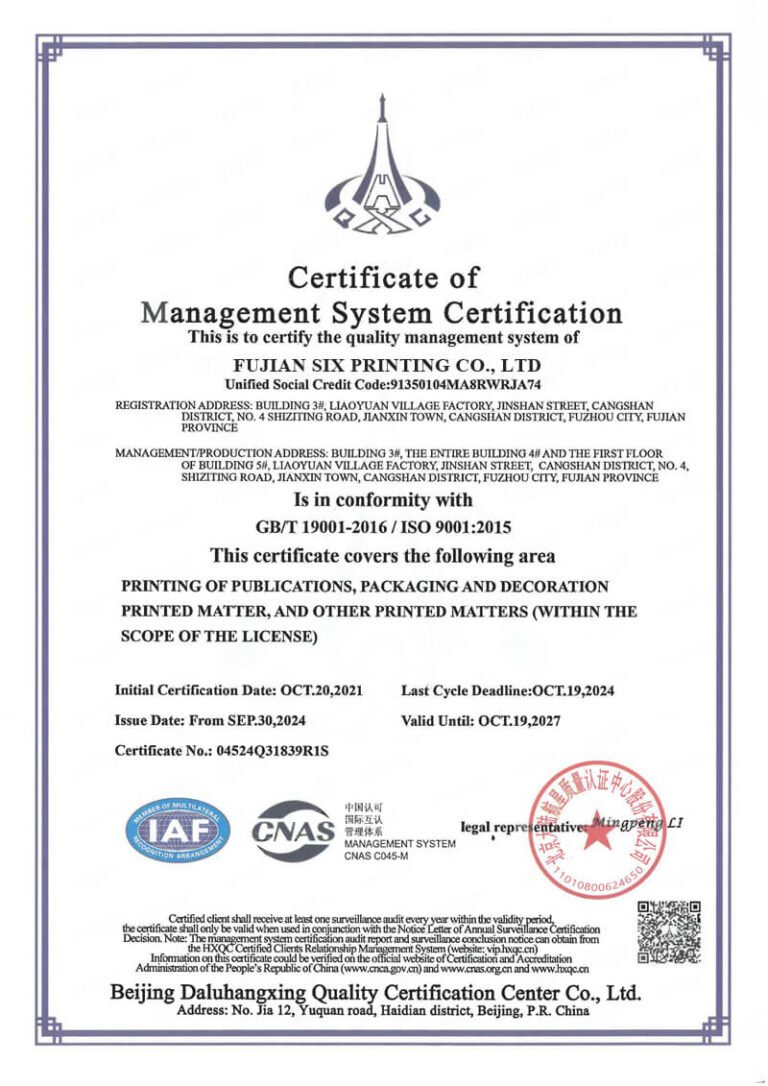
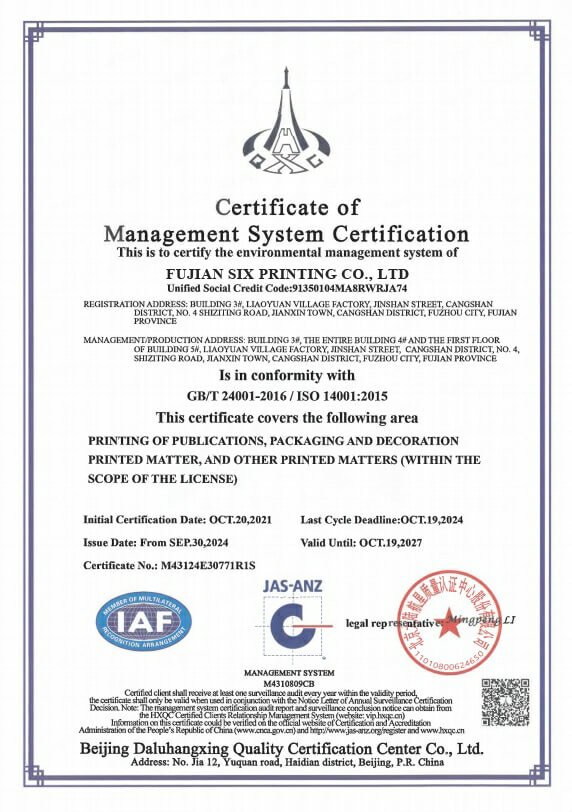
Our production is supported by ISO 9001:2015 Quality Management System, ISO 14001:2015 Environmental Management System and FSC Chain of Custody certification.
These systems support structured quality management, responsible paper sourcing and more consistent printing and binding processes.


From Print Files to Finished Graphic Novels
We aim to make the book printing process clear and straightforward.
Send Your Specifications
Provide trim size, page count, quantity, interior color, paper, binding and finishing requirements.
File Review
We check production details such as page order, bleed, inner margins, artwork resolution and reading direction.
Paper & Binding Selection
Materials are matched to the artwork, page count and target market.
Proofing
Fine lines, screentones, black density, paper and binding can be reviewed before mass production.
Printing & Binding
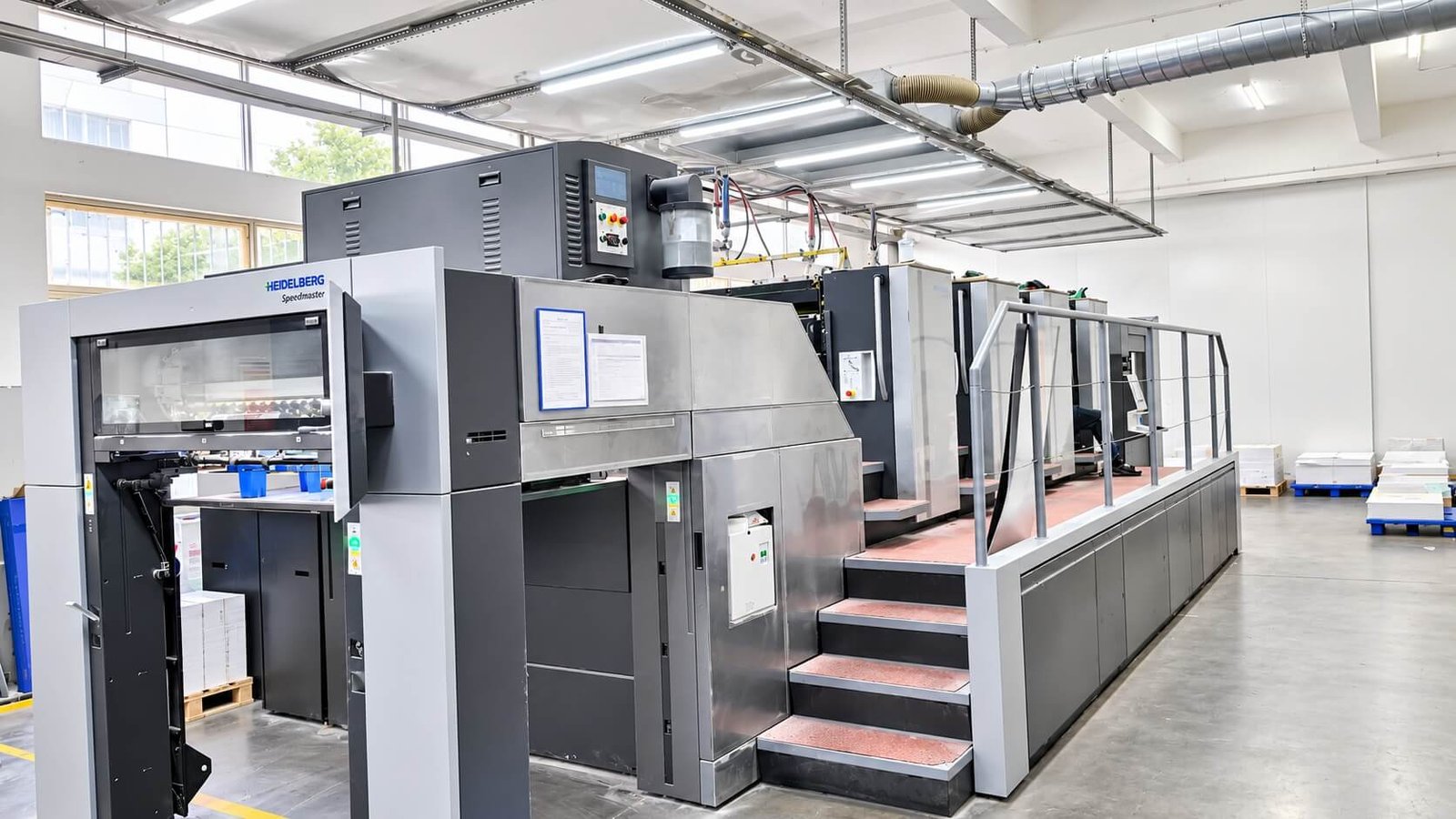
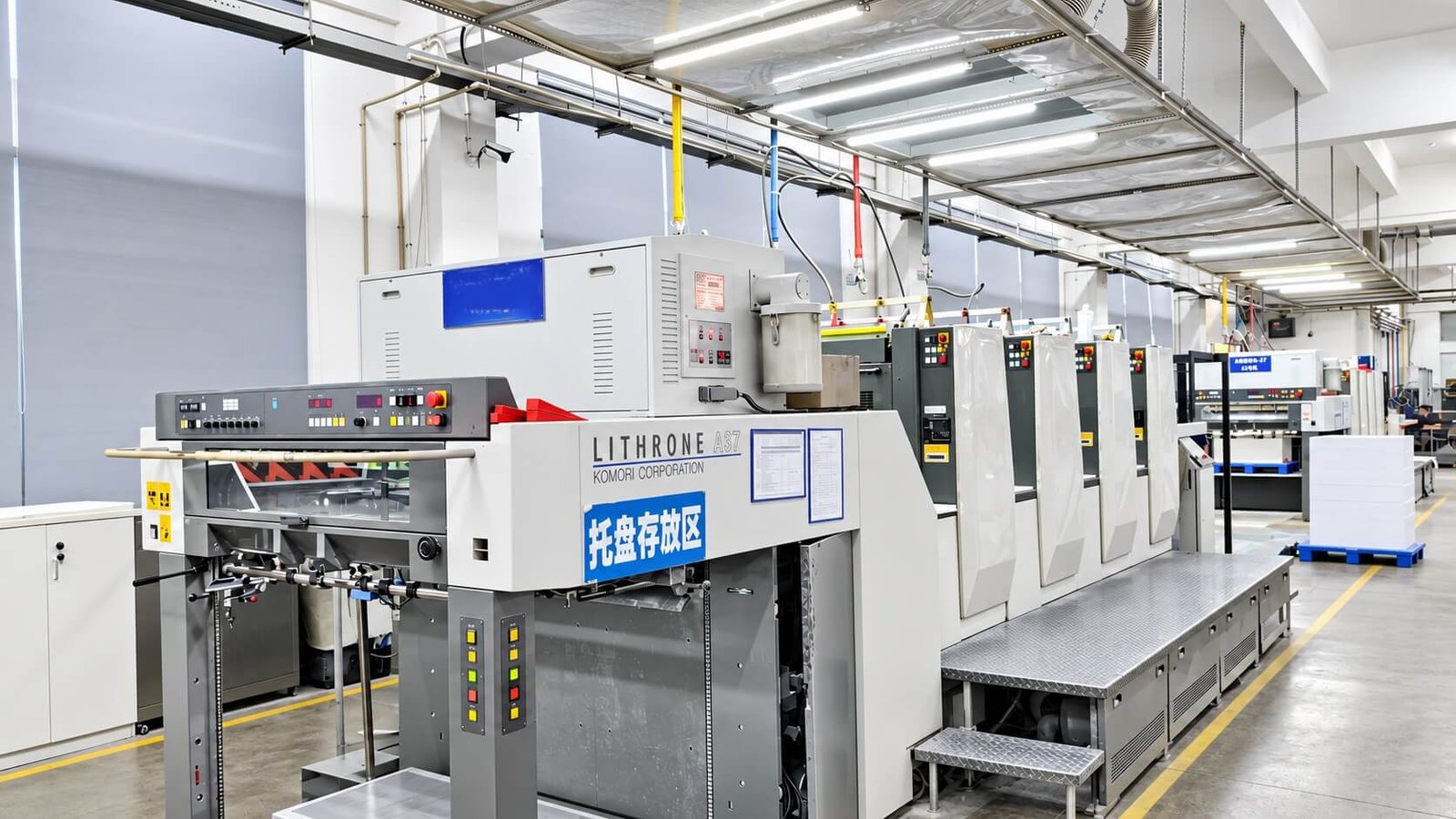
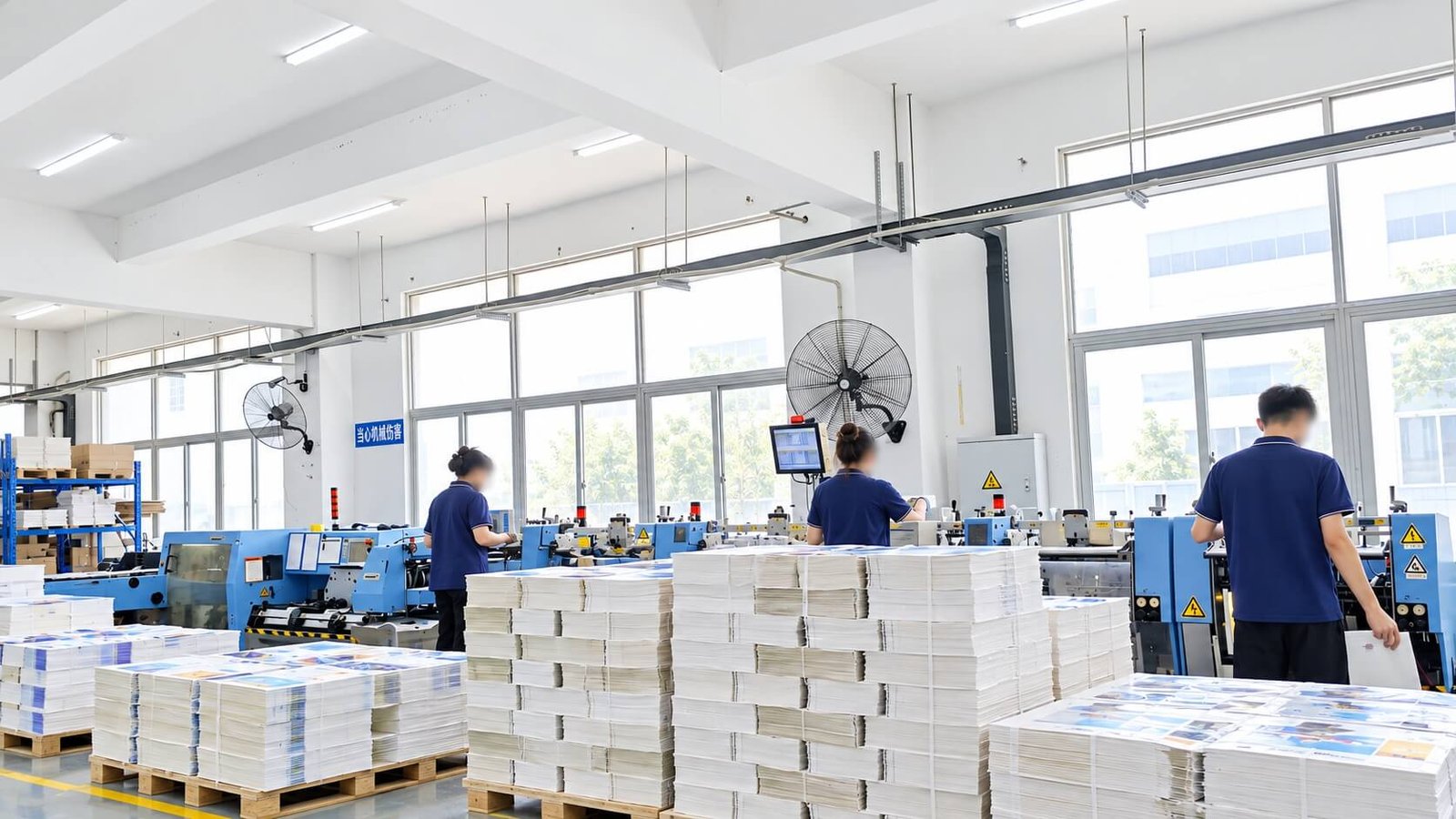
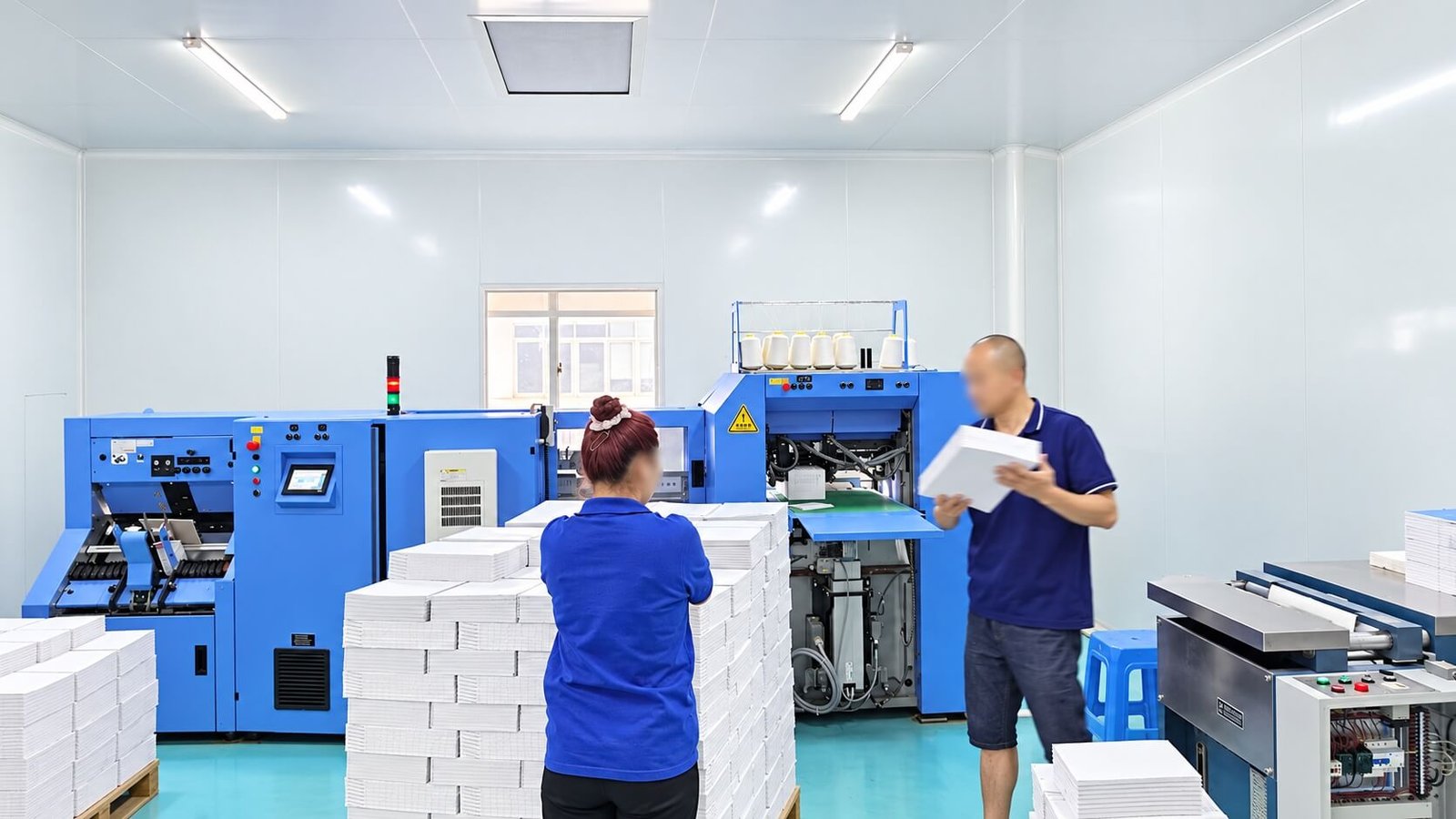
Interior pages and covers move through printing, folding, gathering, binding and finishing.
Quality Inspection
Finished books are checked for page order, print consistency, trimming, spine alignment and binding.
Packaging & Shipping
Completed manga books are packed according to the order and destination requirements.
Why Work With Us?
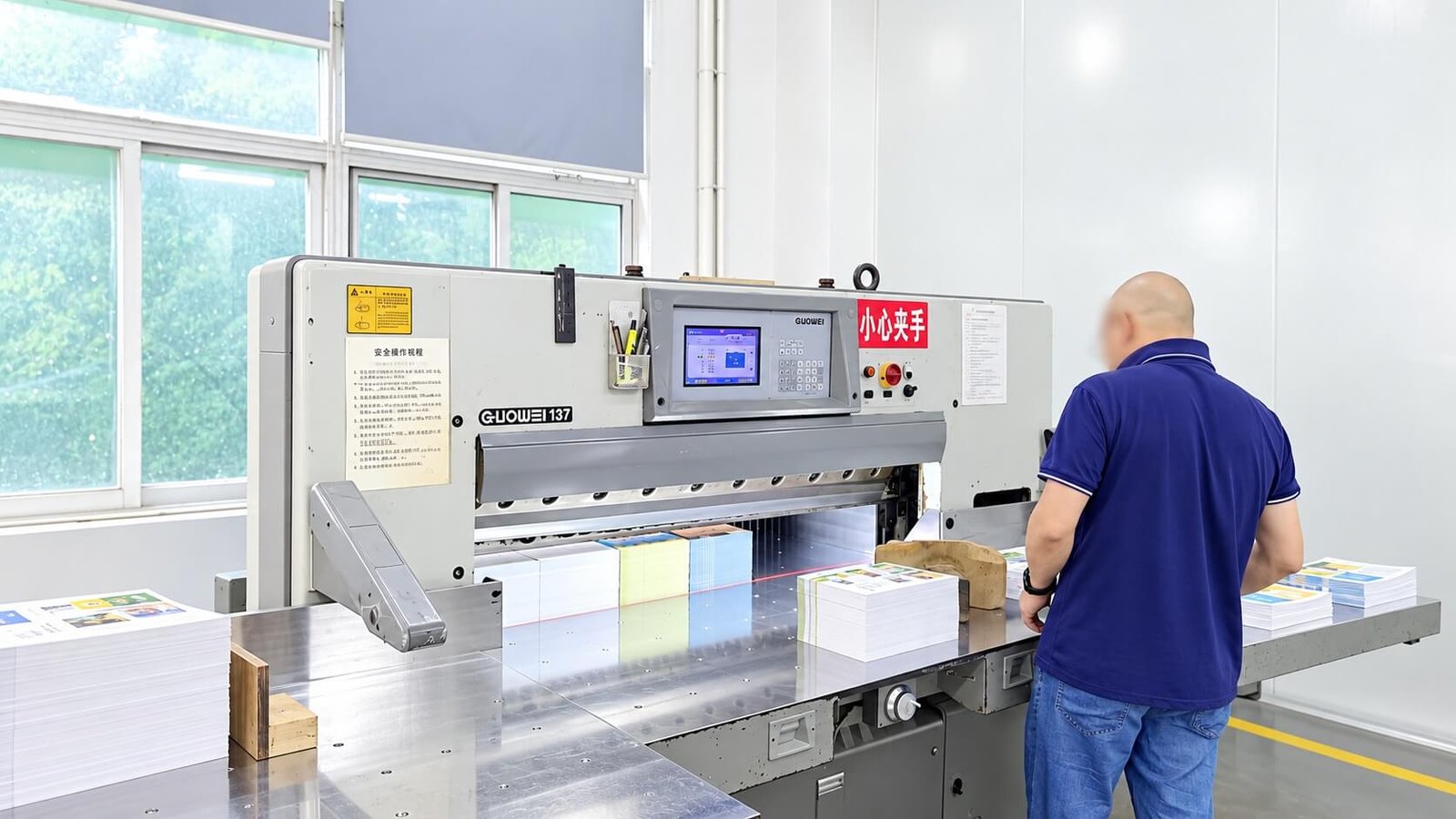
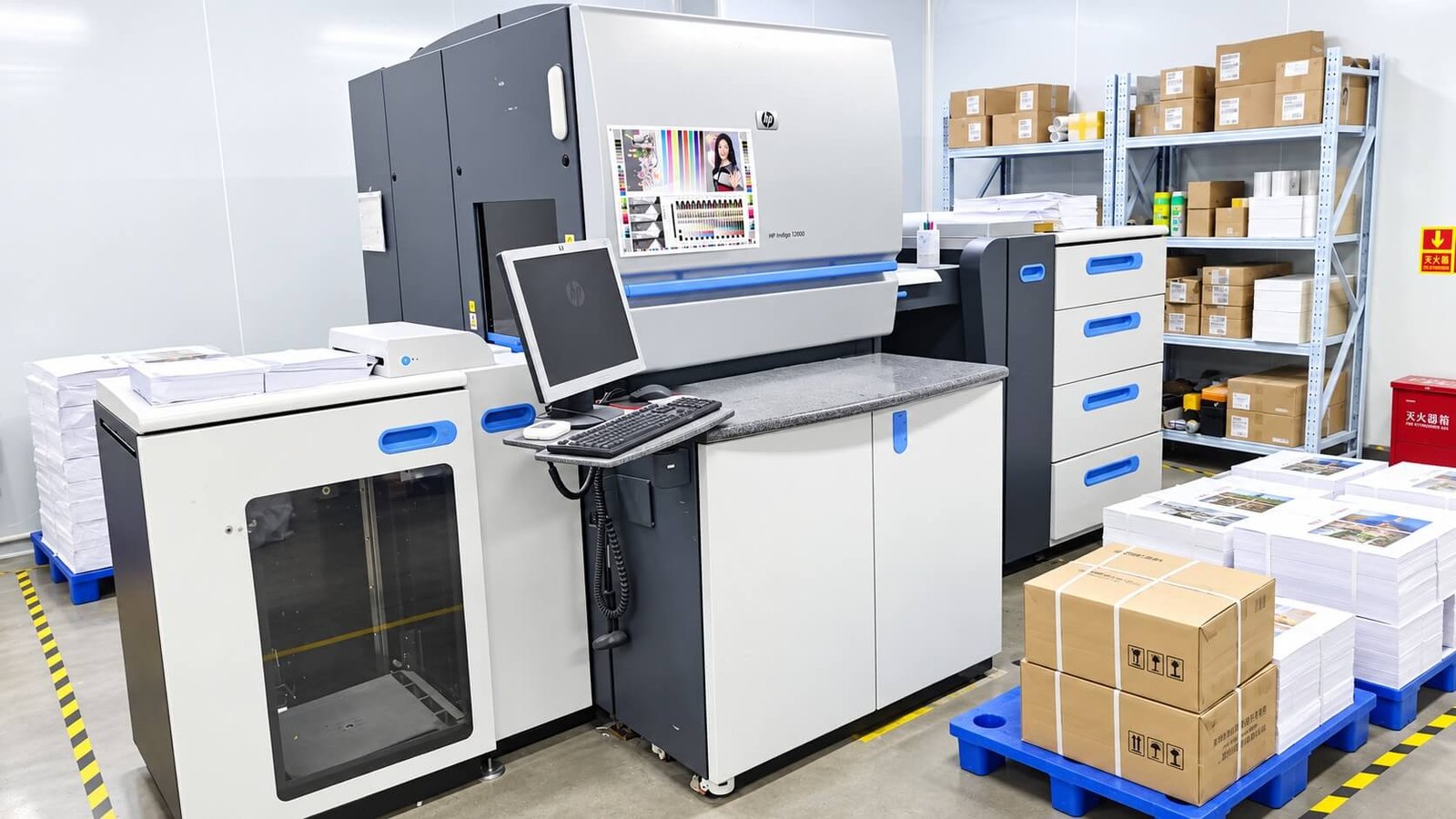
Working directly with an experienced book printing manufacturer gives you greater control over materials, construction, printing quality and cost.
Better Control of Fine Artwork
Production review focuses on linework, screentones, grayscale balance and black density.
Practical Solutions for High Page Counts
Paper thickness, opacity and spine width can be considered together to avoid unnecessarily bulky books.
Flexible Edition Options
Produce standard paperback volumes, premium hardcover editions and collector versions.
Series Consistency
Specifications can be standardized across multiple volumes and reprints.
One Coordinated Production Process
Printing, binding, finishing, inspection and packing can be managed through one manufacturing workflow.
Manga Printing for Publishers, Creators & Studios
We support manga projects for:
- Manga publishers
- Independent creators
- Illustration studios
- Entertainment companies
- Game studios
- Licensing companies
- Crowdfunding projects
- Distributors
- Retail publishers
- IP owners
Whether you are launching a first volume, producing a long series or creating a collector edition, the manufacturing setup can be adjusted around the project’s publishing and commercial goals.
Manga Printing FAQ
We aim to make the book printing process clear and straightforward.
Q1. What paper is commonly used for manga books?
A: Lightweight uncoated or opaque book paper is often practical because it keeps high-page-count volumes manageable while providing a comfortable reading feel.
Q2. Can you print manga in black-and-white and grayscale?
Q3. How do you handle manga screentones?
A: High-resolution files and appropriate printing settings are important for preserving fine screen patterns. Physical proofing is recommended for dense or very fine tones.
Q4. Can you print right-to-left manga?
A: Yes. Page order, cover orientation and binding direction can be prepared for right-to-left or left-to-right reading based on the project requirements.
Q5. What binding is best for manga?
A: Perfect binding is commonly used for paperback manga. Sewn or hardcover structures can be considered for thicker or premium editions.
Q6. Can manga include color pages at the beginning?
A: Yes. Selected color sections can be combined with black-and-white interior pages depending on the production structure and specifications.
Q7. How do you calculate manga spine width?
A: Spine width depends mainly on the final page count and paper caliper. The cover template should be finalized after these details are confirmed.
Q8. Can you produce a dust jacket or wraparound band?
A: Yes. Dust jackets, promotional wrap bands and other external paper components can be considered for suitable manga projects.
Q9. Can you keep multiple volumes consistent?
A: Yes. Trim size, paper, binding, spine layout, cover finish and other specifications can be standardized across the series.
Q10. Can I approve a physical proof before mass production?
A: Yes. Proofing can help confirm line clarity, screentones, grayscale, paper, spine width and overall construction before the full run.
Start Your Manga Printing Project
Planning a manga volume, multi-book series or premium edition?
Send us:
Trim Size + Page Count + Quantity + Interior Color + Paper + Binding + Cover / Jacket Requirements
We can review the project and recommend a practical production setup based on the artwork, page count and intended market.
Inquiry Now
Related Products
Different books require different materials, structures and printing methods. We support a wide range of book printing projects, including:

Hardcover Book Printing
Premium and durable books with rigid covers, ideal for high-end publications, photography books, gift books and collector editions.
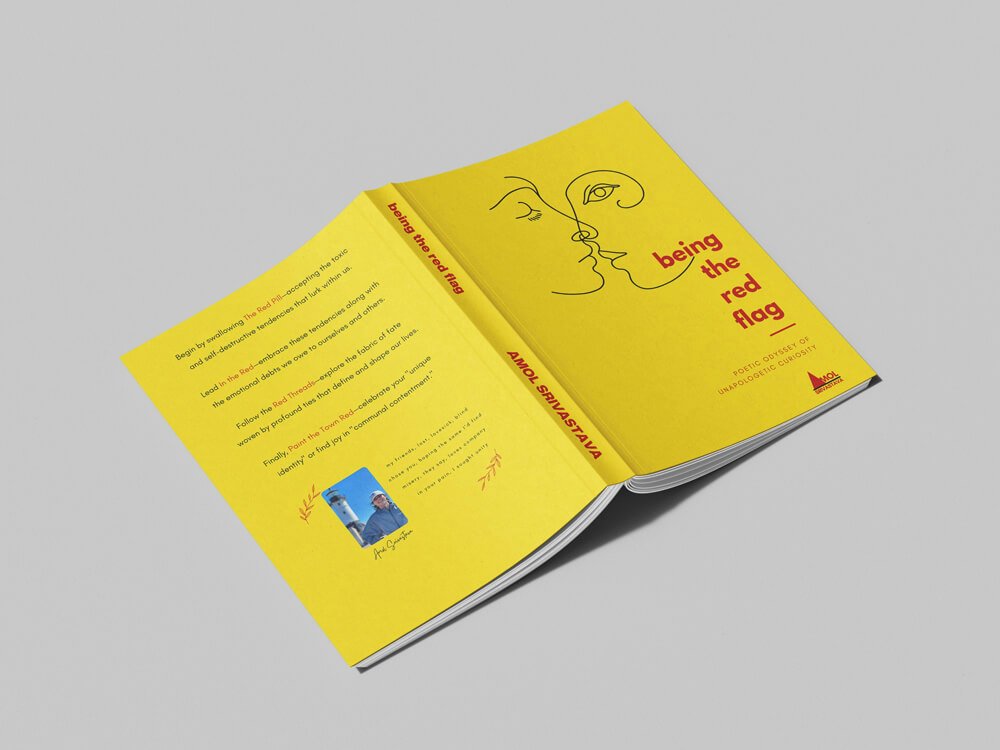
Paperback Book Printing
A practical and cost-effective option for novels, educational books, manuals, catalogs and general publishing.
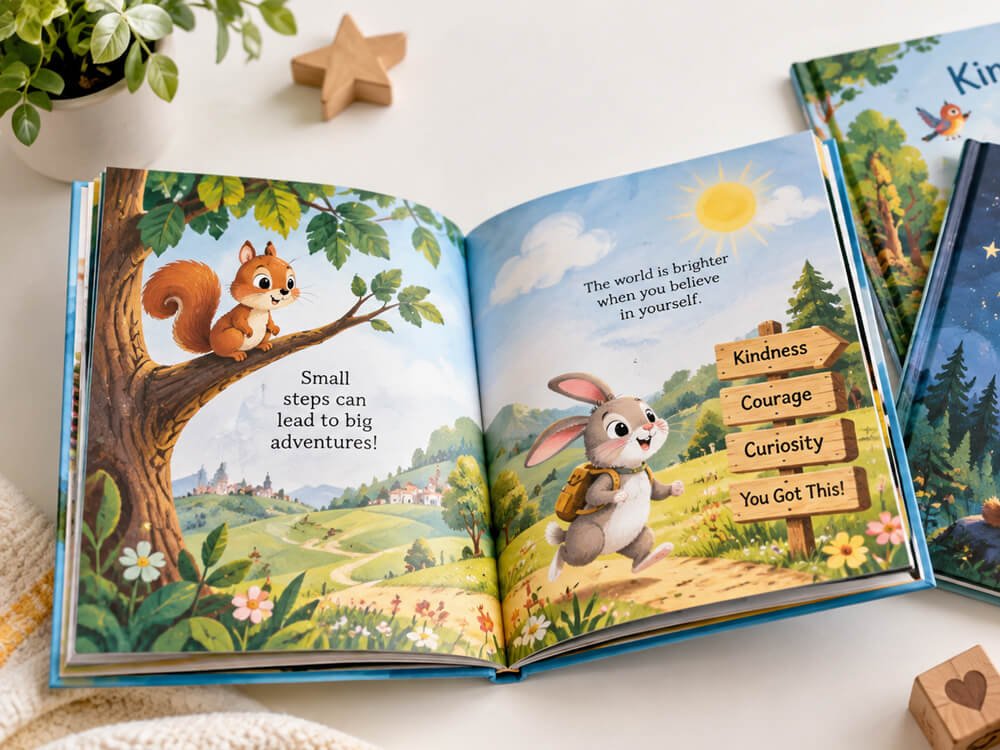
Children's Book Printing
Custom printing for picture books, storybooks, educational books and activity books with colorful pages and child-friendly formats.
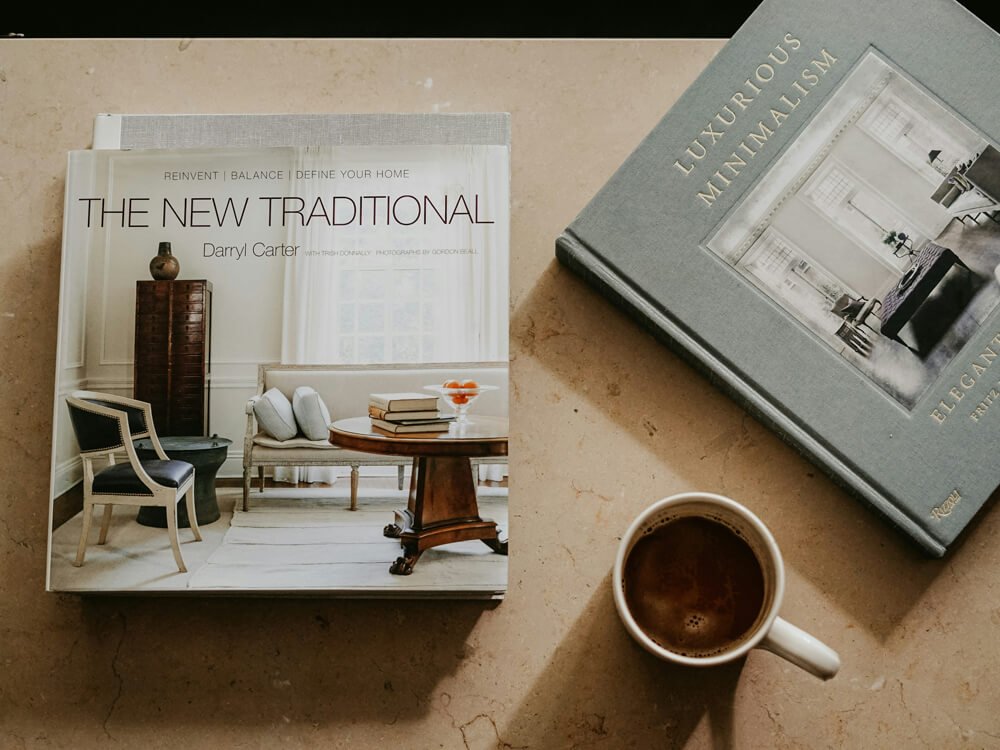
Coffee Table Book Printing
High-quality printing for photography, art, architecture, travel, fashion and other image-focused publications.
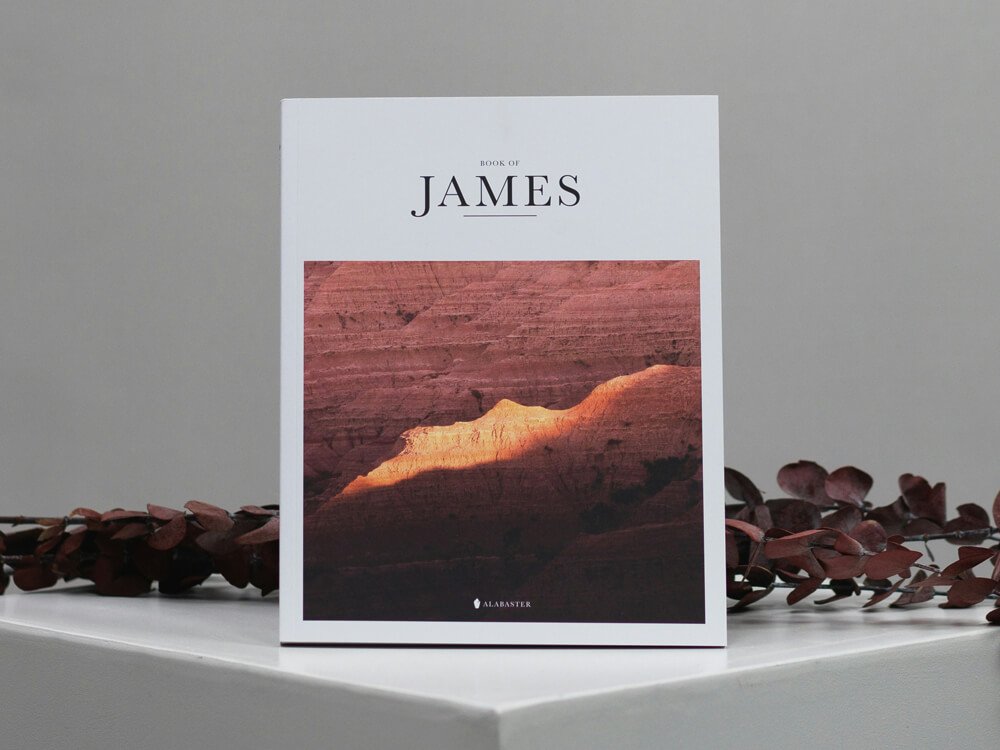
Art Book Printing
Accurate color reproduction and premium paper options for artists, galleries, museums and creative publishers.
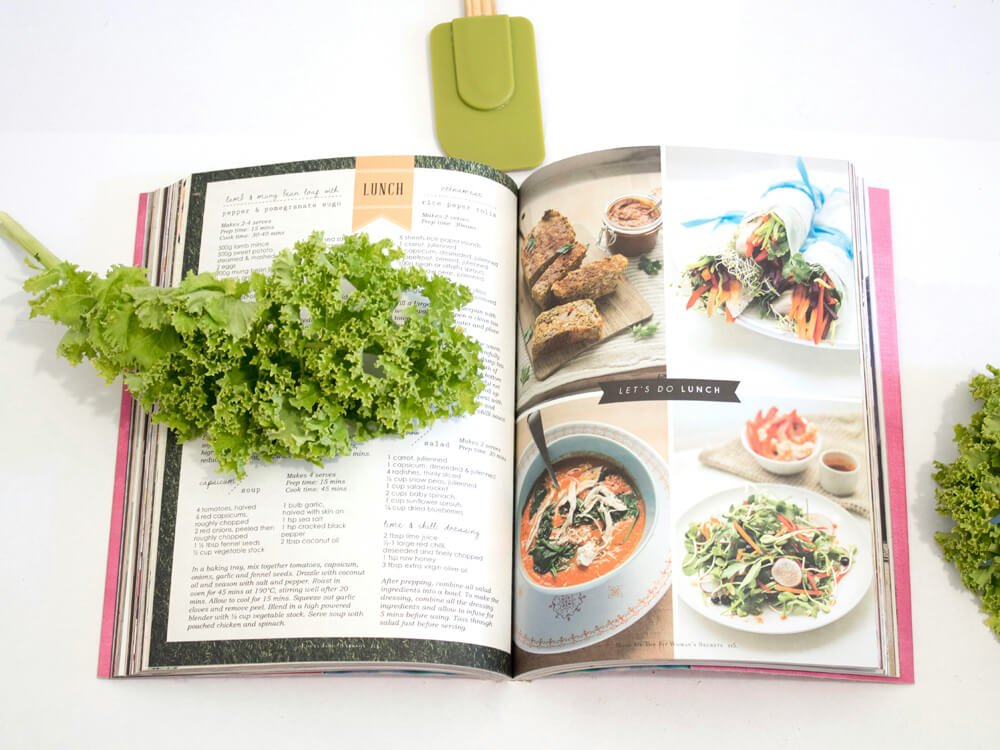
Cookbook Printing
Durable book structures with clear text and rich image reproduction for recipes, food brands and publishers.
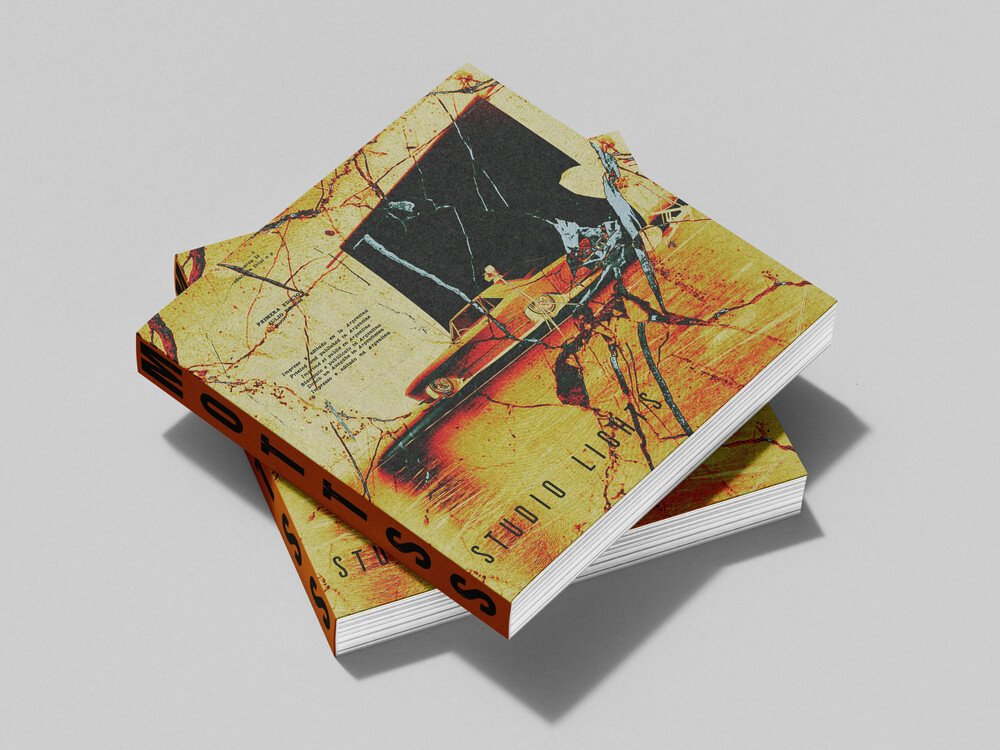
Comic & Graphic Novel Printing
Sharp illustrations, vivid colors and flexible binding options for comics, manga and graphic novels.
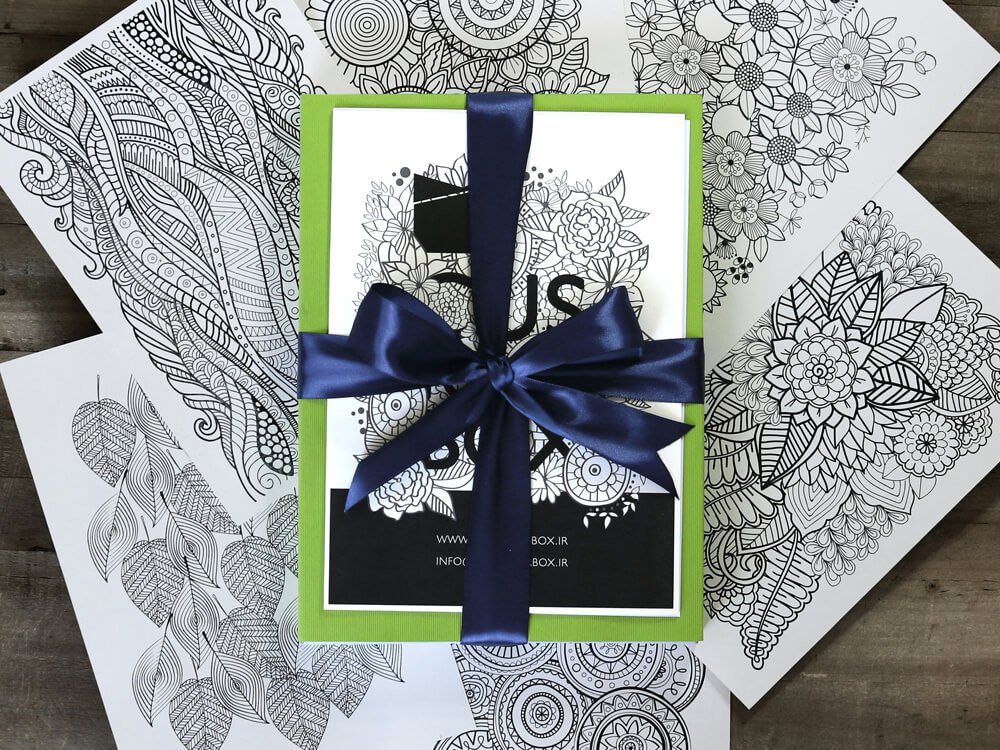
Coloring & Activity Book Printing
Suitable paper and binding options for coloring books, workbooks, puzzles and interactive publications.